
Welcome to Best Dogs in Asia: Your Guide to Asian Dog Breeds, Climate Care & Local Living
Choosing the right dog in Asia isn’t just about finding a cute puppy. It’s about finding a breed that can actually thrive in your specific environment—whether that’s the tropical humidity of Southeast Asia or the freezing mountains of the Himalayas.
Real-World Advice for Dog Owners Across Asia
Welcome to Best Dogs in Asia, the independent resource dedicated to helping you navigate the unique joys and challenges of raising a dog on the Asian continent. Whether you are a long-time local, an expat, or simply planning to adopt your first puppy, you know that owning a dog here is vastly different from owning one in Europe or North America.
The standard Western advice often falls short. From the sweltering, humid tropics of Southeast Asia to the freezing altitudes of the Himalayas, the continent presents extreme environmental challenges. We are here to bridge that gap. We help you look beyond a dog’s appearance and understand its real-world needs—so you can make informed, responsible decisions for your pet’s health and happiness.
Our guide to the Best Dogs in Asia considers more than breed popularity. We explore climate suitability, temperament, exercise requirements, grooming, and responsible ownership to help you make an informed decision.
Explore Our In-Depth Dog Guides
To help you discover the Best Dogs in Asia for your circumstances, we have organized our guides around climate, breed origins, regional lifestyles, and everyday dog care.
Best Breeds for Hot Climates
Discover dog breeds that adapt to hot and humid weather across Asia. Learn about heat tolerance, cooling strategies, coat care, and practical tips for keeping dogs comfortable in tropical climates.
Explore Hot-Climate Dog BreedsBest Breeds for Cold Climates
From the Tibetan Mastiff to the Hokkaido Dog, explore breeds associated with mountainous regions and colder climates. Learn about winter care, frostbite prevention, and how to keep double-coated dogs safe in the snow.
Discover Cold Weather Dog BreedsAsian Dog Breeds by Country
Explore dog breeds associated with different Asian countries. Discover their origins, characteristics, traditional roles, and the unique traits that make each breed distinctive.
Discover Breeds by CountryDog Care & Health
Learn about everyday dog care across Asia, including exercise, grooming, nutrition, hydration, parasite prevention, and routine veterinary care to support your dog’s health.
Explore Dog Care in AsiaDog Boarding Near Me
Learn what to consider before choosing a boarding facility for your dog. Explore practical tips for evaluating safety, preparing your dog, and planning a comfortable boarding experience.
Find Dog Boarding GuidanceSoutheast Asian Dog Breeds
Discover native and regional dogs from Southeast Asia, including their lifestyles, characteristics, and adaptations to tropical environments. Learn about daily care and responsible ownership.
Explore Southeast Asian Dog BreedsWhy Choosing the Right Breed for Asia Matters
Many popular Western dog breeds suffer in Asian climates. Dogs don’t sweat like humans; they rely on panting and their coat structure to regulate temperature. If you bring a heavy-coated breed (like a Chow Chow or Akita) to a tropical country, they are at high risk for heat exhaustion and skin infections.
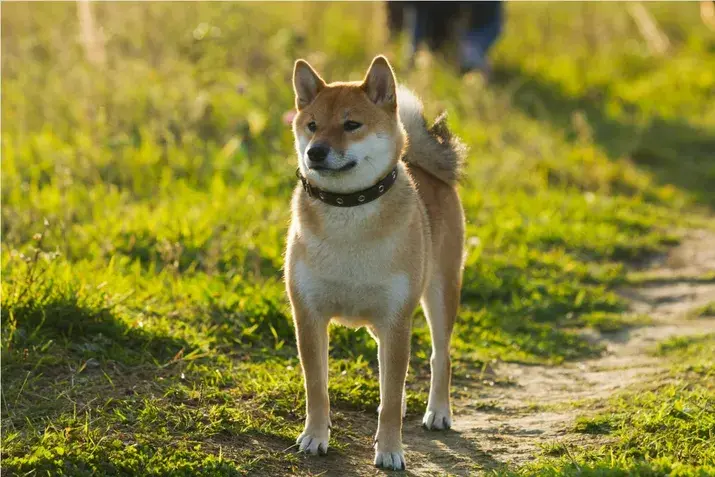
On the other hand, native Asian breeds have evolved in these environments for centuries. Breeds like the Thai Ridgeback and Indian Pariah Dog possess short coats and high heat tolerance. Meanwhile, breeds like the Shiba Inu and Korean Jindo are brilliant and adaptable, though they require secure fencing and experienced handling.
We help you look beyond a dog’s appearance and understand its real-world needs. To find a breed that matches your climate, lifestyle, and experience, read our guide to Choosing the Perfect Asian Breed for You.
Understanding these differences is essential when researching the Best Dogs in Asia, because a breed’s suitability depends on its individual needs and the environment in which it lives.
Choosing among the Best Dogs in Asia also means considering your home, family, available time, and access to veterinary care. The following answers address common questions about selecting and caring for a dog.
Frequently Asked Questions
Conclusion
Finding the best dogs in Asia is a journey of matching a dog’s unique needs with the realities of your local environment. Whether you are drawn to the ancient, cold-weather guardians of the Himalayas, the resilient village dogs of Southeast Asia, or the spirited companion breeds of Japan, the right choice is the one that fits your lifestyle and climate.
At DogsLiveAsia, we provide transparent, practical, localized guides so you and your canine companion can thrive together. Explore our guides above, do your research, and always consult with a local veterinarian when bringing a new dog into your home.